


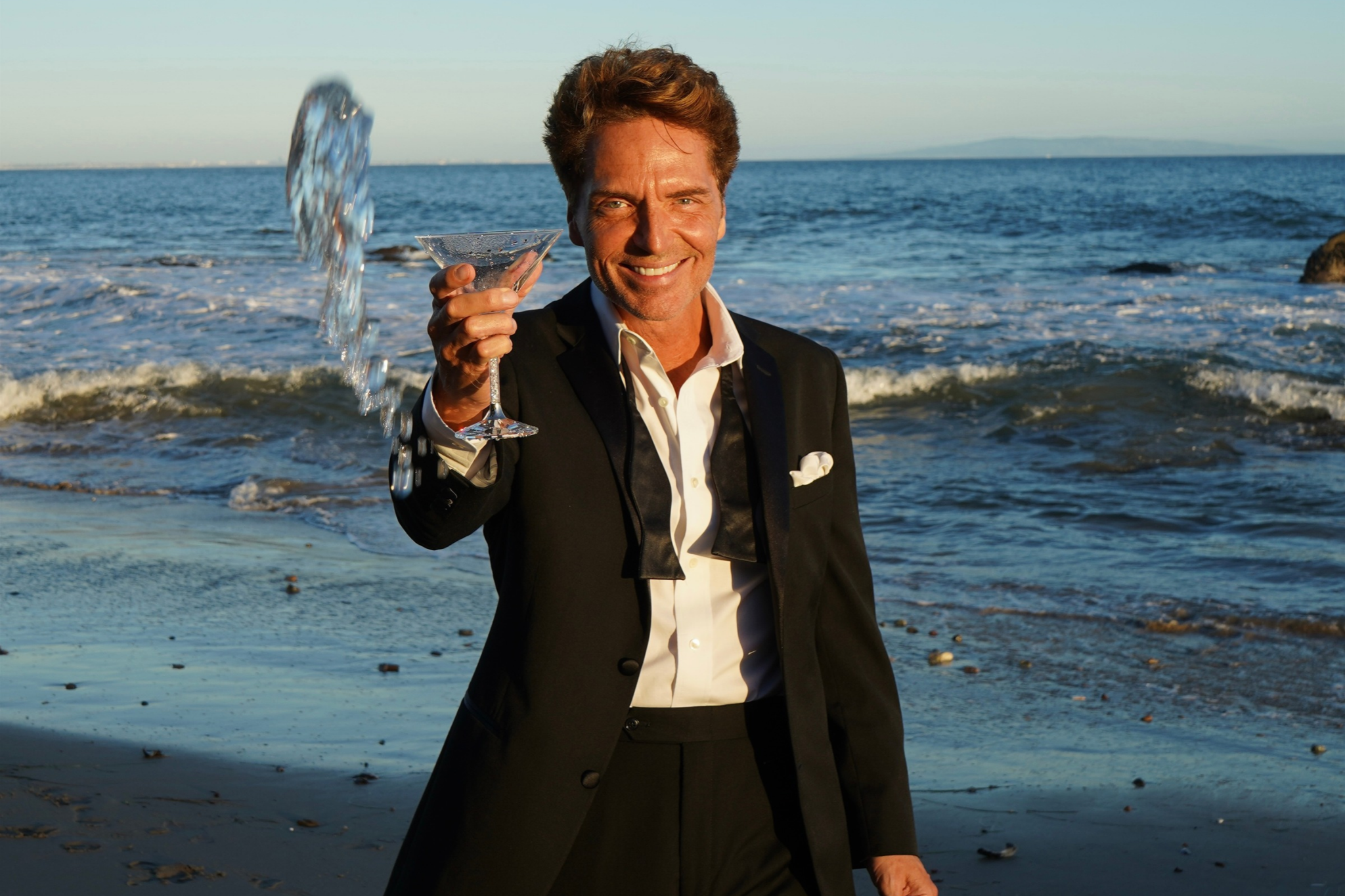
Richard MarxAfter Hours
The Man Behind the Ballads
Four decades, fourteen No. 1 hits—and a new record made for the joy of making music. Richard Marx talks family, reinvention, Miami, and the album that took him somewhere new.
His voice carried “Right Here Waiting” around the world. His songs kept shaping pop long after the spotlight shifted. Now Richard Marx is following a different instinct: making music for himself, and finding room for a quieter life in Miami.
When Marx is in South Florida, his mornings start slowly. Coffee outside, the water of a Miami waterway moving past, nowhere urgent to be. Later, maybe breakfast in Coral Gables and a long walk on the sand in Key Biscayne. It’s not the scene most people picture when they hear the name Richard Marx. They picture the hair, the leather jacket and the voice that carried “Right Here Waiting” across every radio on earth in 1989. That picture isn’t wrong. It’s just incomplete.
The numbers alone are staggering. Marx has sold more than 45 million albums, logged over one billion streams and scored fourteen No. 1 singles, including “Right Here Waiting,” “Hazard” and “Hold On to the Nights.” He is the only male artist in history whose first seven singles all reached the Top 5 of the Billboard charts. He is also one of only two artists, alongside Michael Jackson, to write a No. 1 song in four different decades.
When the industry moved on from the sound that made him famous, Marx didn’t disappear. He went behind the glass. He wrote and produced for Luther Vandross, Keith Urban, NSYNC, Barbra Streisand and Burt Bacharach. His voice left the radio for a while. His songs never did.
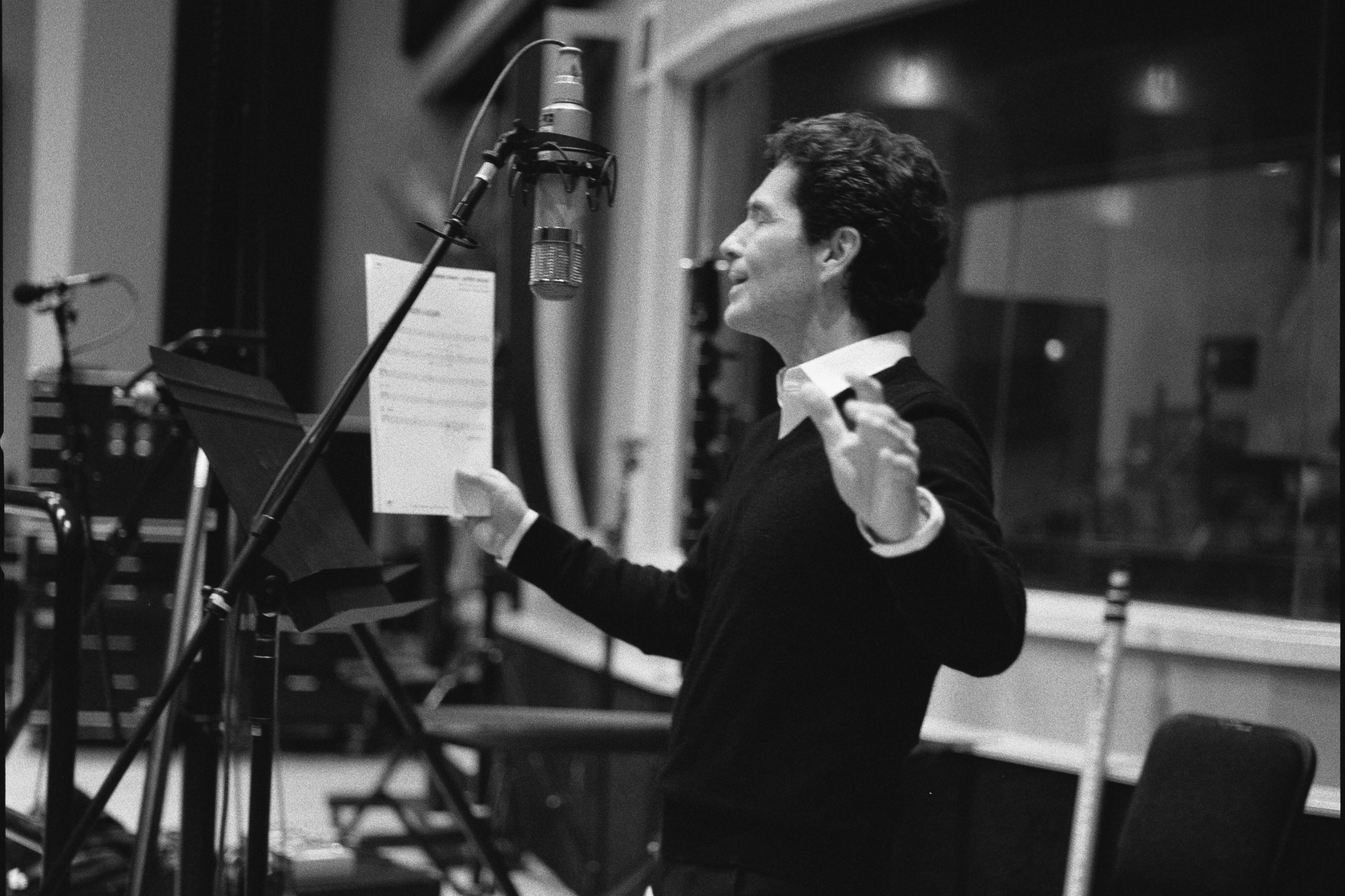
It started with a cassette. When Marx was 17, a tape of his songs found its way to Lionel Richie, who believed in him enough to bring him to Los Angeles. Before that, the son of Chicago jingle composer Dick Marx was singing commercials in his father’s studio at age five.
Today, Marx divides his time between Los Angeles and Miami with his wife, Cuban-American TV host Daisy Fuentes. He hosts the podcast Stories To Tell, with guests like Paul Stanley, Rick Springfield and Kenny Loggins. And after four decades in music, he has made a jazz record.
A record made for the pleasure of it
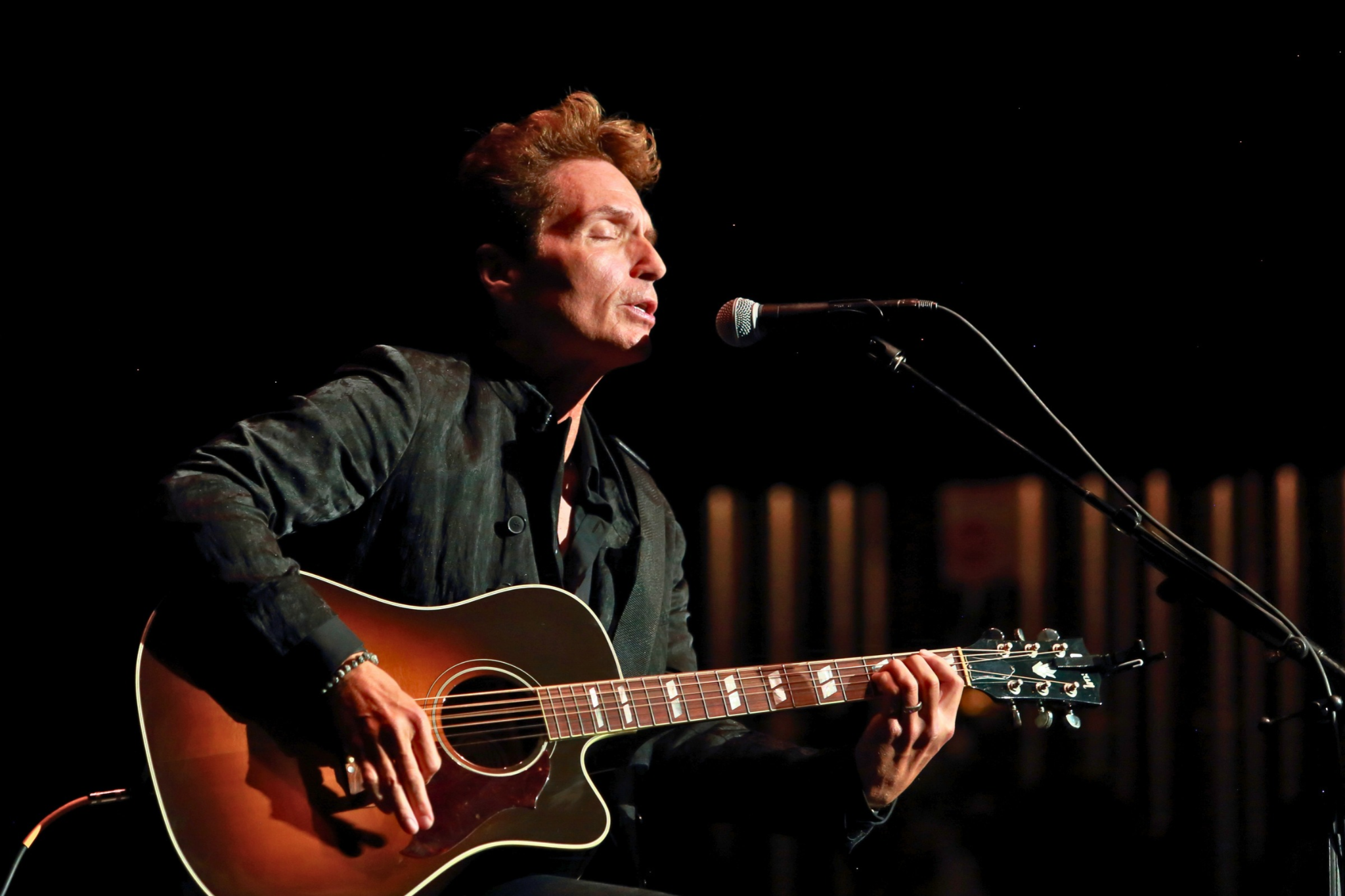
After Hours is Richard Marx’s love letter to the Great American Songbook, and it landed him somewhere he had never been in a 40-year career: the Billboard jazz charts. It features Rod Stewart and Kenny G and has drawn praise from The New York Times, USA Today and Billboard.
It’s a fitting turn for the son of a jazz pianist. Marx believes his late father would have loved these songs most of all. “I think he would’ve particularly loved the songs I wrote on my latest album,” he tells us.
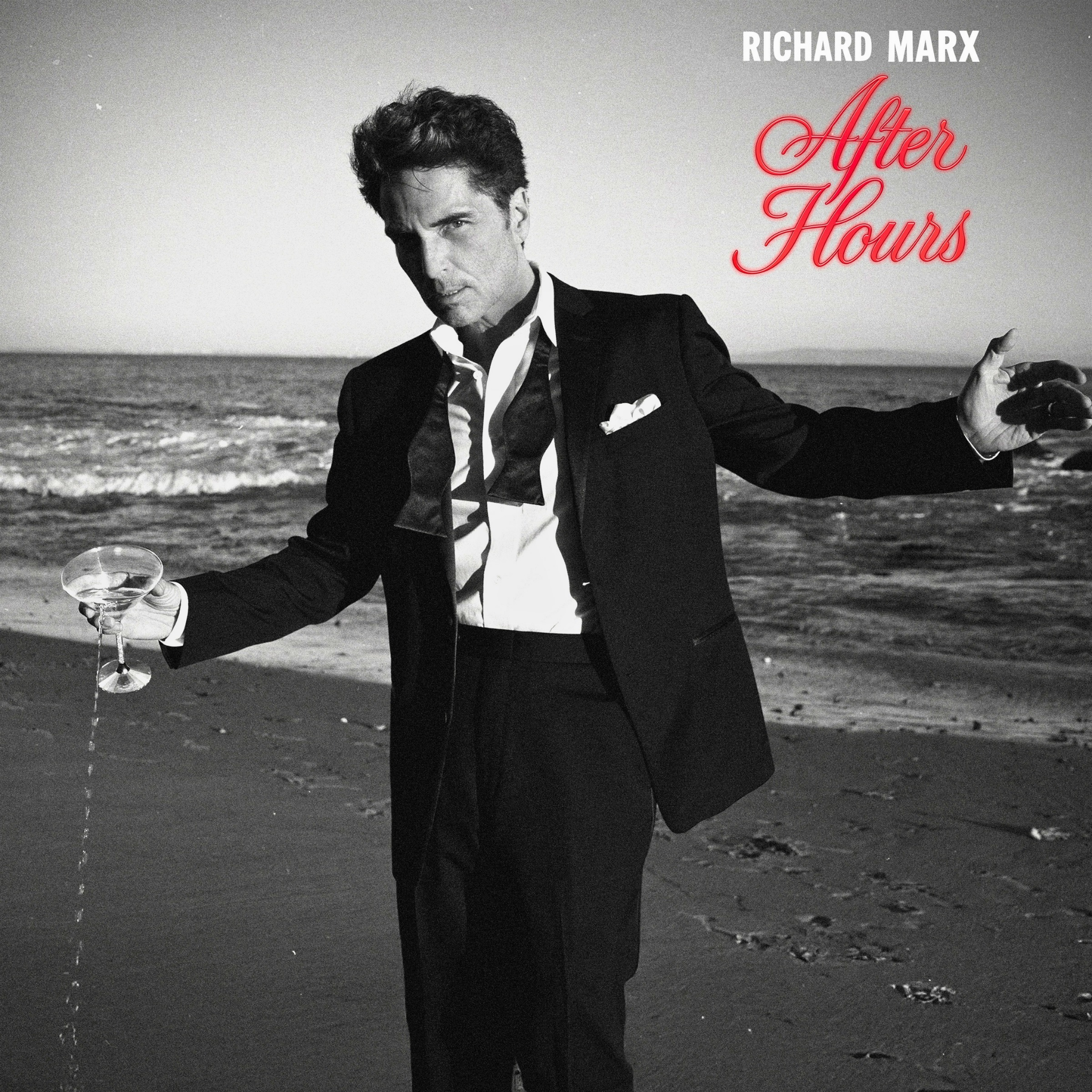
The album turns toward the Great American Songbook, with room for new collaborations and a sound Marx says he made because he wanted to.
After Hours · Out nowThe album’s heart may be “Magic Hour,” a Latin jazz-tinged track he co-wrote with Daisy. It’s proof of how much her world has seeped into his music. And to Marx, the whole project isn’t a gamble at all: “I’m not chasing hits or success anymore. This is a time to experiment and have fun.”
Listen on Apple Music ↗ More streaming options on Richard Marx’s official pageI’m not chasing hits or success anymore.
Richard Marx · On making music on his own terms
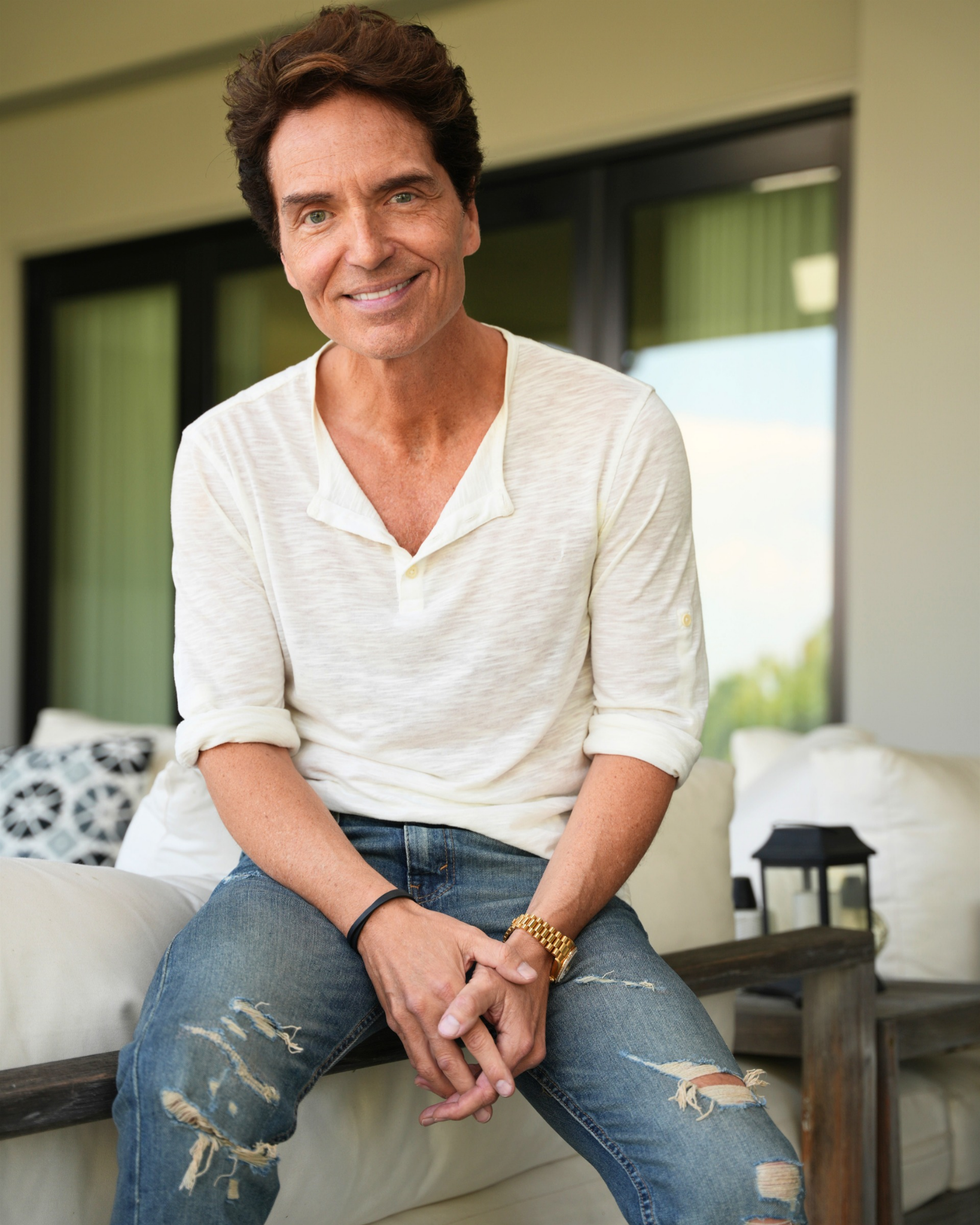
Miami ShootYou split your time between L.A. and Miami now. What does Miami give you that L.A. doesn’t? What does a perfect Miami day look like for the two of you, and is there a special place you love to visit?
Richard MarxLiving in Miami is like island living. The climate, the pace, the access to the beaches… it’s very different from L.A. Especially since we’re nowhere near South Beach or the busier, more heavily trafficked areas, our Miami existence is super chill.
A perfect day for us in Miami is a leisurely morning over coffee at our home, sitting outside looking over the waterway. Then a late breakfast at one of our favorite spots like Bachour in the Gables, followed by a long beach walk in Key Biscayne. Dinner at Portosole in the Gables or Bellini in the Grove is always something to look forward to. There’s also a secret bar very few people know about, which we love to visit when we can. If I said more than that, it wouldn’t be “secret.”
There’s also a secret bar very few people know about. If I said more than that, it wouldn’t be “secret.”
Richard Marx · On a perfect Miami day
Miami ShootYou and Daisy Fuentes recently celebrated your 10th wedding anniversary in South Florida. Has living part of the year in Miami brought you closer to her Cuban culture, and has any of it crept into your music?
Richard MarxBecoming closer to Daisy’s friends, most of whom have Cuban roots and whom she’s known since high school in New Jersey, has been a wonderful gift. Great people we can sit and laugh with for hours. My Spanish is still absolutely terrible, but I’m trying to pick up what I can. And yes, Daisy has introduced me to music that has certainly influenced some songs I’ve written recently, most notably “Magic Hour” from my latest album, which she co-wrote with me.
Miami ShootAs a teenager, you were discovered by Lionel Richie after he listened to one of your cassette tapes. What did he see in you that you couldn’t yet see in yourself, and what’s the most important thing he taught you about the business?
Richard MarxI don’t think Lionel saw something in me I didn’t feel existed, but his belief in me was crucially important, especially as a young 17-year-old. He taught me lots of things about making records and writing songs. Mostly, he taught me by example that I could write and produce songs without help from anyone, as he has mostly done, too.
Miami ShootYou had an unprecedented run of hits, and then the music industry moved on from the sound that made you famous. What was it like when the phone stopped ringing, and how did you rebuild as a writer and producer?
Richard MarxMy phone never really stopped ringing, except from the label I’d been signed to and many concert promoters. It rang continuously from other artists, writers and labels looking for hits for their rosters. So I just kept delivering, as I had the previous ten years for myself. It’s just that it was no longer my voice singing the songs. When I returned to touring a few years later, I had (and still have) even more hits to play than just my own.
Miami ShootYou’ve written for and with everyone from Luther Vandross, NSYNC and Ringo Starr to Kenny Rogers, Josh Groban and Keith Urban. Which collaboration changed you the most, and is there a song you gave away that you secretly wish you’d kept?
Richard MarxI’ve never written a song for or with another artist that I wish I’d kept. The mission was always to create something for them. Writing “Dance With My Father” with Luther was very special, as we were such close friends, and it turned out to be the last song he ever co-wrote. The impact that song has had on so many people is humbling. I also wrote a really special song with Kenny Loggins called “The One That Got Away,” which helped heal his broken relationship with one of his sons. When songs can transform someone’s life, it’s nothing short of amazing.
Miami ShootYour new album, After Hours, took you into jazz and onto the jazz charts for the first time in 40 years. Why take that risk now?
Richard MarxI don’t see it as a risk. If anything, I think I’m at a point where I can and should make music that I simply want to make. I’m not chasing hits or success anymore. Plus, if I really love what I’m creating, there’s a good chance some other people will like it, too. This is a time to experiment and have fun.
Miami ShootYour father, Dick Marx, passed in 1997 after a car accident. A few years later, Luther Vandross came to you with the title “Dance With My Father.” What was it like writing that song with your own father gone? What did he mean to you, and what would you play him today?
Richard MarxThat song was really written from Luther’s perspective about his own father, but Luther wanted to write it with me because he knew how close I’d been to mine. My dad was supremely talented, funny, warm, a great listener and overwhelmingly fair with people. He was my confidant, and he knew how to walk this line between being my best friend and my dad. I think he would’ve particularly loved the songs I wrote on my latest album, After Hours.
Miami ShootAs the father of three sons, what do you hope they say first when they talk about you someday: the hits, or the man?
Richard MarxI know my sons respect my work ethic and my career success, but that’s not what our relationship is about. I would hope they think I’m a loving father they can always count on.
Miami ShootYour memoir opens with an illness doctors couldn’t diagnose. Where does that stand today, and what has the experience changed about how you live, love and work?
Richard MarxMy illness was never diagnosed. The most likely culprits back then were very frightening, but luckily it simply vanished and has never returned. During those scary weeks of wondering, I did a whole lot of soul-searching, and I can tell you it created a much deeper relationship to gratitude. I still fail sometimes and bitch about nonsense, but overall I’m on a much more thoughtful path. Time is the absolute most valuable thing I have, and I try hard not to waste it. That means saying no to a lot of things. If it doesn’t feel like something that will make me happy doing it, I politely say no.
Time is the absolute most valuable thing I have, and I try hard not to waste it.
Richard Marx · On gratitude, time and choosing what matters
Miami ShootIf there were one song you’d want to be best known by, what would it be and why?
Richard MarxI’m totally fine being known by the songs I’m already known by. Those songs were all snapshots of my life at the time. Whether it’s “Don’t Mean Nothing,” “Right Here Waiting” or any of them, it suits me just fine.
After Hours is available now on all streaming platforms.