


The art of
being prepared
when we’re
not there.
How Dr. Lisa Paz is helping parents prepare young people for the moments they cannot control
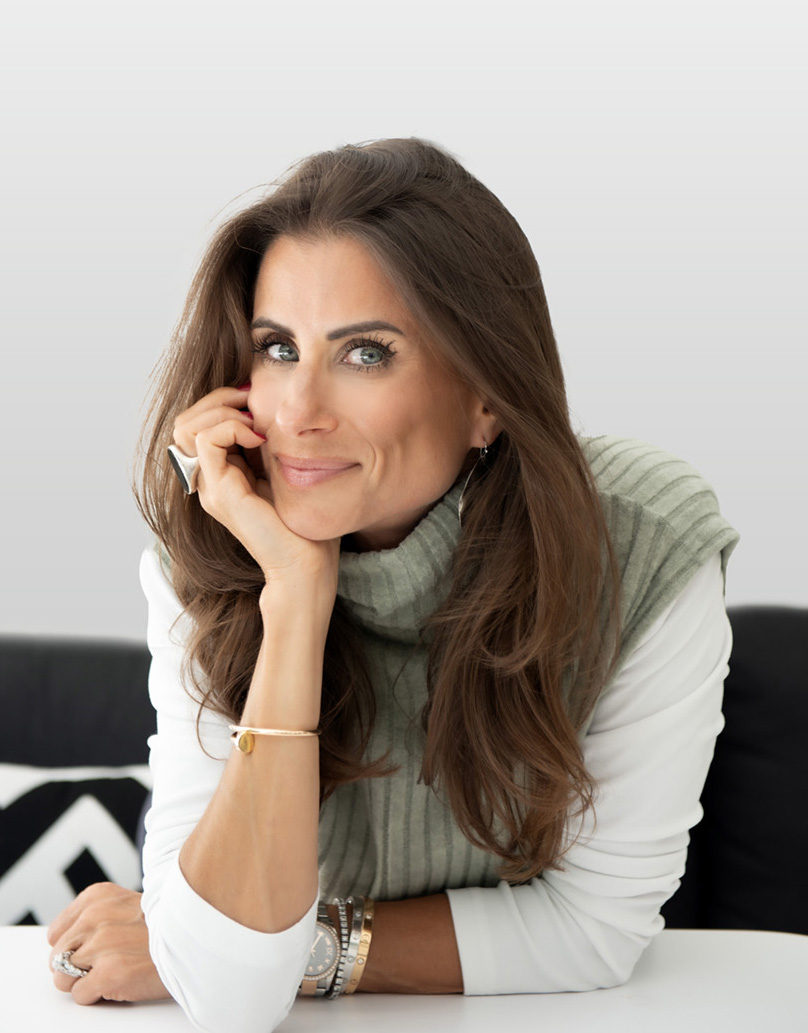
Dr. Lisa Paz is challenging one of the most complicated assumptions in modern parenting: that keeping young people safe means keeping them away from risk.
There comes a moment in every parent’s life when protection begins to change its meaning.
When a child is small, protection is physical and absolute, a hand held across a parking lot, a locked door, a warning repeated until it becomes instinct. But adolescence introduces a more elusive kind of danger, one that cannot always be prevented, monitored or managed from the next room.
Eventually, children enter the world on their own.
They will make decisions their parents cannot witness. They will encounter people their parents do not know. They will find themselves at parties, in relationships and in situations where the certainty of childhood gives way to the ambiguity of adulthood.
For parents, this transition can feel like a loss of control.
For Dr. Lisa Paz, it is an invitation to reconsider what we mean when we say we want to keep young people safe.
A licensed marriage and family therapist, board-certified sex therapist and doctor of clinical sexology, Paz has built her career around some of the subjects families often find hardest to discuss, intimacy, sexuality, relationships, communication and the complicated space between what we want young people to know and what we wish they never had to learn.
Her philosophy has now taken a decidedly tangible form.
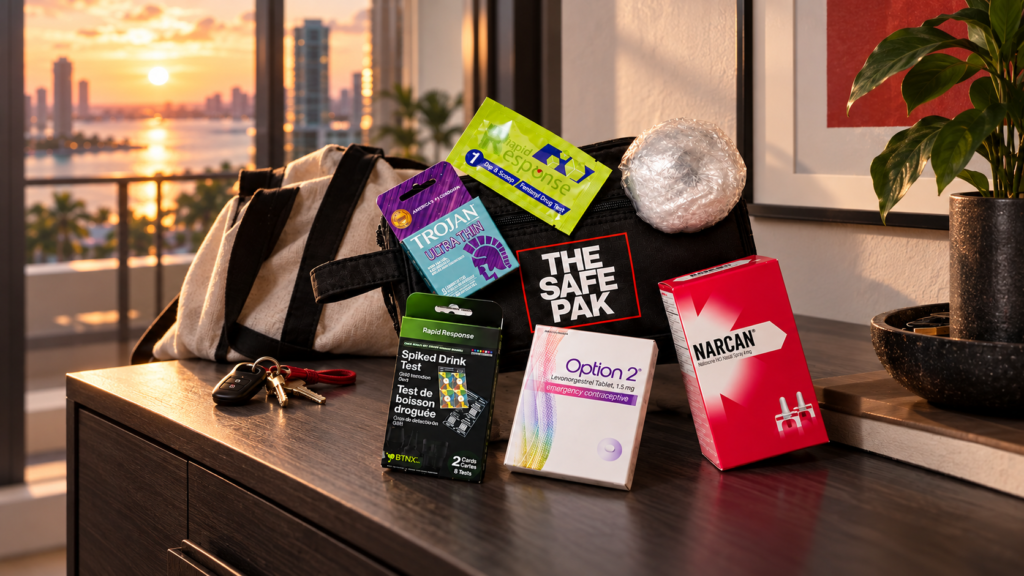
Alongside Lizzy Miller Cole, Paz created The Safe Pak, a preparedness kit designed around the realities young people may encounter involving sex, drugs and other potentially risky situations. The idea is straightforward. The implications are anything but.
For some parents, there is an instinctive uneasiness about giving a young person the tools to navigate behavior they would rather discourage altogether. It raises an uncomfortable possibility: Can preparation inadvertently become permission?
Paz’s position rests on a different premise that acknowledging risk is not the same as endorsing it, and that refusing to discuss something does not make it less likely to happen.
Because contemporary parenting is increasingly defined by a paradox. We want young people to be informed, independent and capable of making responsible decisions, yet we are often reluctant to give them information about the very situations in which those qualities will be tested.
We tell them to make good choices without always teaching them what to do when a situation stops being simple.
The Safe Pak sits squarely inside that tension. Its existence does not settle the larger question of how much protection is appropriate, or where responsible preparation ends and normalization begins. Those questions remain deeply personal and, for many families, deeply uncomfortable.
But perhaps discomfort is precisely where the conversation needs to begin.
Because the goal of preparing a young person for the world is not to make every risk acceptable. It is to make them less vulnerable when the world proves less predictable than we hoped it would be.
And that leaves parents with a difficult task, to hold on to their values without confusing values with control, to establish boundaries without creating silence, and to prepare their children for independence without pretending independence will always be safe.
For Paz, that may be the most meaningful form of protection available. Not shielding young people from every difficult reality.
But making sure that, when reality finds them, they are not entirely unprepared.
In conversation with Dr. Lisa Paz
What was the moment or experience that made you realize there was a need for The Safe Pak, and what problem were you hoping it would solve?
What stood out to me was the gap between what we hope young people will do and the reality of the environments they may find themselves in. As a therapist and sexologist, I’ve spent years talking with young people and families about sex, consent, relationships, alcohol, drugs, and decision-making. One thing I’ve learned is that simply telling someone, “Don’t do that,” doesn’t prepare them for what happens when they’re at a party, away at college, or in a situation where judgment is impaired and things move quickly.
The Safe Pak was created to bridge that gap. It’s about giving young people practical resources and information so that if they encounter a risky situation, they have tools available to make a safer choice. The goal isn’t to make risky behavior inevitable or acceptable. It’s to acknowledge that young people are going to make their own decisions and that preparation can sometimes be the difference between a bad situation and a dangerous one.
Some parents may worry that giving young people a safety kit containing items related to sex, drugs, or partying sends the message that risky behavior is acceptable. How do you respond to that criticism?
I understand that concern, because parenting is fundamentally about wanting to protect your child. But there’s an important distinction between preparing someone for a possibility and encouraging them to pursue it.
Giving your teenager a seatbelt doesn’t encourage them to drive recklessly. Teaching them what to do if there’s a fire doesn’t encourage them to start one. In the same way, providing condoms or drug-safety resources doesn’t mean you’re giving your child permission to have sex or use drugs.
In fact, I would argue that having these conversations and providing safety resources communicates something incredibly important: I want you to be safe, I want you to have good information, and I want you to be able to come to me—even if something has gone wrong.
Who is The Safe Pak actually designed for—teenagers, college students, young adults, or parents—and what age group do you believe can benefit from it most?
The Safe Pak can be useful across that transition from adolescence into young adulthood, but I think its value becomes particularly apparent when young people begin spending significant amounts of time away from their parents—whether that’s going away to college, moving out, traveling, or simply having more independence.
That transition is important because parents can no longer physically monitor every environment their child enters. What they can do is make sure their child has knowledge, resources, and a safety net.
I also think parents are an important part of the audience. A kit like this can be a conversation starter. Sometimes parents don’t know how to begin talking about these topics, and having tangible resources can make an uncomfortable conversation feel more approachable.
Where do you draw the line between harm reduction and inadvertently encouraging young people to engage in risky behavior?
The line is intention and messaging. Harm reduction is about acknowledging reality and reducing the potential for harm when risky situations occur. Encouragement is about promoting or glamorizing the behavior itself.
We should absolutely continue teaching young people that certain behaviors carry risks and that the safest choice is often not to engage in them. But we also have to recognize that education alone doesn’t eliminate risk.
My approach is: don’t normalize the risk, but don’t pretend it doesn’t exist either. Give young people accurate information, practical tools, and clear expectations. That allows them to make better decisions while understanding the consequences of their choices.
Family, values & communication
What conversations do you believe parents should have with their teenagers before giving them something like The Safe Pak?
The most important conversation is one that establishes that nothing is too uncomfortable to talk about.
Parents should talk about consent, boundaries, alcohol and drugs, sexual health, peer pressure, recognizing when someone is too impaired to consent, and what to do if they or a friend are in trouble. They should also talk about how to get out of an uncomfortable situation without feeling embarrassed or afraid of disappointing a parent.
And I would encourage parents to say explicitly: If something happens, call me. I would rather come get you at 2 a.m. than have you stay somewhere unsafe because you’re afraid of getting in trouble.
That kind of conversation can be lifesaving.
Do you believe parents sometimes confuse protecting their children with shielding them from information about sex, drugs, alcohol, and other real-world risks?
Absolutely. It comes from a good place. Parents want to preserve their child’s innocence and protect them from things that feel adult or frightening. But information doesn’t create risk—a lack of information can make an existing risk more dangerous.
Young people are already being exposed to these subjects through friends, social media, entertainment, and the internet. The question is whether the information they receive is accurate, age-appropriate, and grounded in reality.
Parents don’t have to endorse every behavior in order to talk about it. In fact, being willing to discuss uncomfortable subjects can give parents a much greater influence over how their children navigate them.
What would you say to a parent who believes that providing condoms, drug-safety supplies, or similar resources undermines the values they are trying to teach their child?
I would say that providing a safety resource doesn’t erase your values. You can be very clear about what you believe while also acknowledging that your child will eventually be responsible for their own decisions.
You can say, “In our family, this is what we believe. I hope you make choices that reflect those values. But if you ever find yourself in a situation that is different from what we discussed, I want you to know how to protect yourself and how to get help.”
That isn’t permissiveness. That’s parenting for the real world.
Preparing for independence
How does The Safe Pak address the dangers that young people may face without realizing they are in a dangerous situation—for example, impaired judgment, sexual pressure, or a potentially contaminated drink or drug?
One of the biggest challenges with these situations is that danger isn’t always obvious in the moment. Alcohol and other substances can impair judgment and make it harder to recognize escalating situations. Someone may also feel pressure to go along with something because they don’t want to appear uncool, difficult, or inexperienced.
That’s why preparation matters. Young people need to understand what impaired judgment looks like, what consent actually requires, how to recognize when a friend may need help, and that they can leave a situation without having to justify themselves.
The Safe Pak is ultimately about giving young people tools they can reach for when their ability to think through every possible outcome may be compromised.
What do you wish parents understood about the difference between preparing a young person for a risky situation and giving that young person permission to take risks?
Preparation isn’t permission. It’s protection.
We prepare children for situations all the time that we hope they’ll never encounter. We teach them to call 911. We teach them not to get into a car with a stranger. We teach them what to do if they get lost. None of those conversations encourage those situations to happen.
The same principle applies here. Parents can communicate very clearly what they expect from their children while also preparing them for the reality that they may eventually encounter situations involving sex, alcohol, drugs, peer pressure, or impaired people.
The ultimate goal isn’t to control every decision. It’s to help a young person develop the judgment and confidence to protect themselves and others.
If you could tell every parent one thing about keeping their teenager or young adult safe when they are no longer under their direct supervision, what would it be?
Make sure your child knows that coming to you for help will never be more frightening than the situation they’re already in.
You won’t always be there to prevent the bad thing from happening. That’s one of the hardest parts of watching a child grow up. But you can make sure they know what to do when something goes wrong—and that they can call you without fear of judgment.
The goal of parenting isn’t to eliminate every risk from a young person’s life. That’s impossible. The goal is to give them the tools, knowledge, confidence, and support system to navigate the world safely when you’re not standing beside them.
Great advice. Thanks Dr. Paz!
Thank you for your comment Mary. Dr. Paz is amazing!