


Tonino Baliardo on the Enduring Spirit of the Gipsy Kings
The Gipsy Kings founder reflects on music, family, tradition, Historia, and the generations carrying the sound forward.
By Imani Ogden | Published by Angie LaGuardia | August 2026
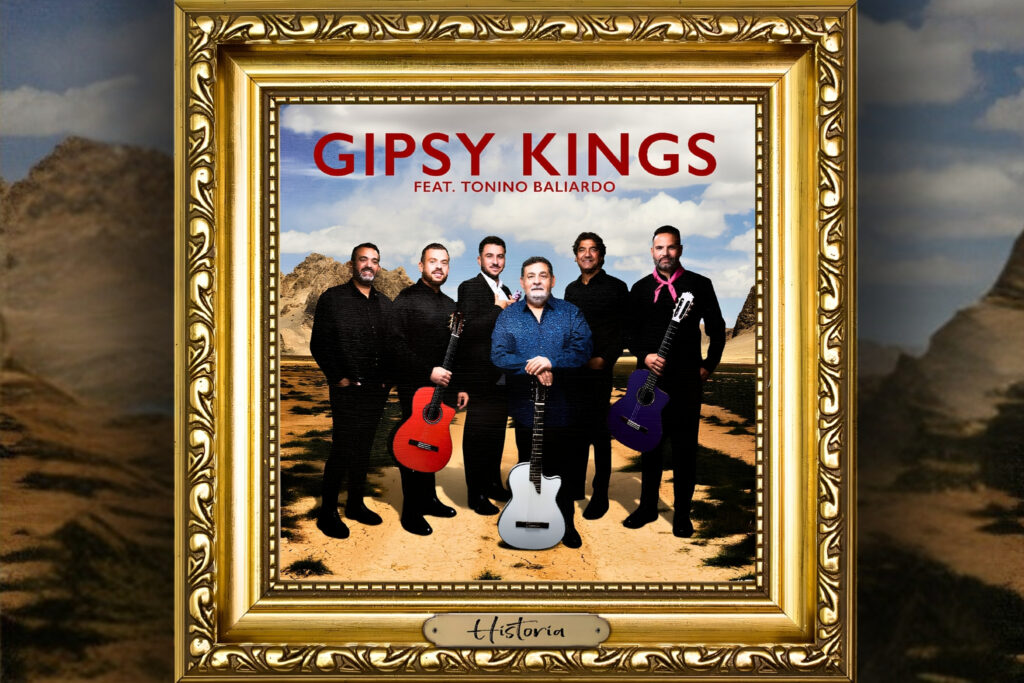
Few musical groups have created a sound as instantly recognizable as the Gipsy Kings. Rooted in flamenco and rumba yet embraced by audiences around the world, their music has crossed cultures, languages, and generations—with Tonino Baliardo at the heart of that journey.
Ahead of the Gipsy Kings’ Miami performance and with new music from Historia, Baliardo spoke with Miami SHOOT about the enduring connection between music and memory, preserving Gipsy traditions while moving forward, working alongside the next generation of his family, and what more than 40 years on the road have taught him about a life in music.
Q: After more than four decades of performing around the world, what still excites you about getting on stage and playing Gipsy Kings music for an audience?
Performing live for me is still a really exciting event. All the Gipsy Kings get together about fifteen minutes before show time, hanging out backstage, checking our guitars and hoping our in-ear pieces are all working. On the odd occasion there may be a problem, our road managers are there and will make everything right; no panic. As I walk on stage, I am thrilled and just want to start the set. I welcome our wonderful audience to our Gipsy Kings Fiesta.
Q: You’re bringing the Historia tour to Miami on August 15. What can Miami audiences expect from this show, and how does this tour feel different from previous Gipsy Kings tours?
I love being on the road, and especially America; it’s so vast, and every city, I think, has its own cultures. Miami is usually always warm, and as I live in Montpellier in the South of France near Marseille, I prefer a warm climate. We will be playing a few new tracks from Historia and, of course, all the favourites. During the day of our show, we work out our set list. I enjoy doing this because we have a great choice of songs. What I never know is what and where these young Gipsy Kings will do on stage. Every performance is different but always great fun.
Q: The Gipsy Kings have connected with audiences across generations and language barriers. Why do you think songs like “Bamboléo,” “Djobi Djoba,” and “Volare” continue to resonate with people today?
Yes, we now have different family generations coming to the shows and buying our albums and streaming them. In my opinion, nothing gets into the human soul more than music; maybe it is one of life’s mysteries. Every song, I think, evokes a memory, happy or sad, in all of us. Whatever the language.
“In my opinion, nothing gets into the human soul more than music; maybe it is one of life’s mysteries.”
Q: With Historia, you’re introducing new music while staying true to the sound that made the Gipsy Kings internationally famous. How do you balance honoring your musical roots with continuing to evolve as an artist?
My Gipsy culture is, of course, very important to me. But we all have to move forward but keep the tradition and essence in new work. Regarding Historia, it was an idea I had many years ago. I am fortunate to have a recording studio in my home. My two sons, Cosso and Mikael, play on stage with me, and they worked in the studio with me. After some tracks were recorded, the other young Gipsy Kings came in to help and play on the tracks. It was a wonderful time working and recording with the young of Gipsy Kings.
Q: Your new song “Caballero” carries that unmistakable Gipsy Kings energy. What inspired the song, and what does it represent about where you are creatively today?
“Caballero” is, of course, a Spanish word, and it could mean a true honourable gentleman. Maybe my Caballero is the true gentleman and is a mystery with another side who likes excitement! It’s for you to decide.
Q: The documentary follows your journey from performing on the beaches of Saint-Tropez to leading one of the world’s most celebrated musical groups. Looking back at that journey, is there a particular moment when you realized the music had become something much bigger than you imagined?
I and my family are very pleased with the documentary on Amazon Prime. The crew followed us around for over a year. Filming in my home, interviewing our audiences, concerts and also our performance at Glastonbury. Never in my wildest dreams as a kid busking on streets in the South of France and also on the beaches there, including St. Tropez, did I think I would be blessed with my wonderful life.
Q: The Gipsy Kings’ music has introduced flamenco and rumba to millions of people around the world. What does it mean to you personally to have played such an important role in bringing your culture and musical traditions to international audiences?
Going back to my early days, playing flamenco, rumba, etc. was just a natural way for me, as it is part of my Gipsy culture. It has progressed over the years and the label World Music was used. Which is very important to me, as it will open doors across the World for people to listen and enjoy.
Q: You’ve performed in so many different countries and for audiences with very different cultures. Is there something special about performing in Miami and connecting with the South Florida audience?
To everyone coming to the Miami concert, we welcome you with much love to our GIPSY KINGS FIESTA.
“We all have to move forward but keep the tradition and essence in new work.”
Q: After 40-plus years, Grammy recognition, more than 20 million albums sold, and countless performances, what do you feel is the biggest lesson your career has taught you about longevity in music?
I have seen many changes over the years within the music industry and met and worked with some wonderful people. Live music in small venues is very important for new talent to perform and learn all about live work. AI now, of course, is what we are all talking about. It certainly will not go away, so we have to work out how to use it legally. Remember great songs will outlive all of us.
Q: As you look beyond the Historia tour, what do you hope the next chapter of the Gipsy Kings looks like, and is there something you still want to accomplish that you haven’t done yet?
There is always something new to explore. I have Cosso and Mikael on stage with a wonderful young group of Gipsy Kings, joined by our crew, all young guys; we are one family on the road. My young grandson Marlon plays guitar and I am teaching him. Who knows, a third generation of Gipsy Kings next.
Interview by Imani Ogden
Edited & Published by Angie LaGuardia
Miami SHOOT Media